Sony Alpha A7 II
The full frame that paved the way for stabilization in the E system


We analyze a grade B Sony Alpha A7 II unit in excellent physical condition. A second-hand full frame that still makes sense in 2026 if you know what you're buying.
- In-body stabilization, something unusual in its price range
- 24 MP full frame sensor with good dynamic range in RAW
- Unit in excellent physical condition with no issues reported by the workshop
- Limited hybrid autofocus: 117 contrast points and 25 phase-detection points
- NP-FW50 battery with just enough endurance for a full day
- Ergonomics and menus clearly surpassed by later generations
The Sony Alpha A7 II arrived on the market as the second generation of Sony’s mirrorless full frame bet, and it was the first to incorporate in-body image stabilization. That, at the time, was a significant leap: it meant being able to shoot handheld with manual optics or with unstabilized lenses and gain several stops of leeway. Today, with the A7 IV and A7 V well established, the A7 II has become one of the most affordable gateways into the full frame format, and that keeps it alive on the second-hand market.
The unit we’ve had in the workshop comes with a grade B rating and a physical condition that the lab rates as excellent. It’s not a display piece, but it doesn’t show the typical wear of cameras that have worked in harsh conditions either. In practice, it’s a camera that has been cared for and retains full functionality.
One thing should be made clear before we go on: this review is about a specific unit from our inventory, not a generic model. The data you’ll see below corresponds to this particular camera, and the analysis of the model in general draws on what we know about the A7 series after years of passing through the workshop.
Data for this unit
| Parameter | Value |
|---|---|
| Shutter count | Not available |
| Battery health | Not available |
| Condition grade | B |
| Physical condition (lab) | Excellent |
| Screen issues | Not reported |
| Accessories included | Not specified |
The grade B rating is, in most cases, due to cosmetic signs of use that don’t affect operation. On this unit the lab has not detected any relevant physical problems, and there are no screen issues on record. The absence of shutter and battery health data is common in cameras of this generation, which don’t expose that information in an accessible way without specific tools.
The model in general
The sensor is a 24-megapixel full frame, the same one we already saw in the first A7, but now accompanied by 5-axis stabilization. In RAW it offers solid dynamic range and reasonable high-ISO performance up to 3200, with leeway up to 6400 if the scene allows. It’s not a sensor that will surprise anyone in 2026, but it remains perfectly valid for portrait, landscape, and documentary work.
Autofocus is where the model shows its age most. We’re talking about a hybrid system with 117 contrast points and 25 phase-detection points. In good light and with predictable subjects it works, but in low-light conditions or with fast movement it falls short. For static portrait or landscape it’s not a serious problem; for sports or wildlife, it’s simply not the right tool.
Ergonomics improved over the first generation: the grip is deeper and the shutter button is better placed. Even so, Sony’s menus from that era remain dense and unintuitive, and the body, while not uncomfortable, doesn’t have the presence of later A7 models. The electronic viewfinder does the job, though its resolution and refresh rate are below what’s considered standard today.
What works
In-body stabilization is, without question, this camera’s strongest argument. It allows you to gain two or three stops of shutter speed with manual or unstabilized lenses, and that greatly expands the catalog of optics you can use without relying on a tripod. For anyone shooting with vintage primes or third-party lenses, it’s a real advantage.
The sensor still performs well in RAW, with room to recover shadows and highlights without the image falling apart. And the entry price to the full frame format, with this unit at around 504 euros, is hard to match in other mounts.
What weighs it down over the years
Autofocus is the most obvious limitation. Anyone coming from a more recent camera will notice the difference immediately, especially in subject tracking. The NP-FW50 battery also falls short: for a full day’s shooting you should carry at least one spare. And the menus, though learnable, haven’t aged well.
On top of that, the second-hand market today has alternatives with better AF for only slightly more money, which means buying an A7 II has to be justified by price and stabilization, not by its overall capabilities.
Who is this unit for?
This unit is a good fit for anyone looking for an affordable full frame for portrait, landscape, or unhurried personal projects, and who values stabilization over fast autofocus. It also makes sense for anyone who wants to use manual lenses or lenses from other mounts with an adapter and take advantage of the full sensor.
We wouldn’t recommend it for sports, wildlife, or video with demanding tracking. Nor for anyone who needs long battery life without worrying about the battery.
Verdict
The Sony Alpha A7 II remains a sensible way to get into full frame for under 520 euros, as long as you accept its autofocus and battery limitations. This particular unit, with a grade B rating and excellent physical condition, is a reasonable example of what you can find on the market today: a camera that doesn’t stand out in anything modern, but that delivers on the essentials at a restrained price.
Afiliación interna declarada. Camera Market Reviews es el blog de Camera Market. Si compras a través de este enlace lo verás en tu factura como compra directa al marketplace — no hay intermediarios ni comisiones para terceros. Lee la política completa.
Reviews relacionadas

Blackmagic Design Pocket Cinema Camera: una unidad impecable para quien busca cine RAW sin concesiones
Esta unidad concreta de la Blackmagic Pocket Cinema Camera llega en estado excelente, sin desgaste físico apreciable. Un modelo que, incluso hoy, ofrece una calidad de imagen RAW que pocas cámaras de su precio pueden igualar, aunque con limitaciones de autonomía y enfoque que hay que conocer.

Blackmagic Design Blackmagic Design Pocket Cinema 6K
Analizamos una unidad concreta de la Blackmagic Pocket Cinema 6K, una cámara de cine con sensor Super35 y montura Canon EF que ha pasado por nuestro taller. Descubre su estado real y si merece la pena en 2026.
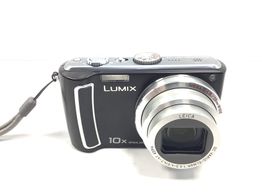
Panasonic Lumix DMC-TZ5: Una compacta travel zoom con buen estado general
Analizamos una unidad concreta de la Panasonic Lumix DMC-TZ5 que ha pasado por nuestro taller. Una compacta travel zoom de 2008 que, con 9,1 megapíxeles y un objetivo Leica 10x, sigue siendo una opción funcional para quien busca una cámara sencilla y ligera.